- A natural supplement is not testosterone replacement therapy (TRT) - it supports your body's own systems rather than replacing hormones.
- Whether it "works" depends entirely on the ingredients, the doses, and what you realistically expect.
- Some ingredients have genuine human research (ashwagandha, vitamin D, zinc, magnesium); many proprietary blends hide theirs.
- The most-ignored half is sleep - a daytime-only pill misses the hours testosterone is actually produced.
"Do testosterone supplements actually work?" is a completely fair question - the category is crowded with big promises, hidden formulas and before-and-after photos. The honest answer is not a simple yes or no. It depends on what is in the bottle, the dose of each ingredient, and what you expect it to do.
This guide gives you a straight, evidence-based look at what natural testosterone support can and cannot do, which ingredients are actually backed by research, and how to tell a serious product from a gimmick.
Supplements vs TRT - not the same thing
This distinction matters, because it sets honest expectations. A good supplement will not flood your system with testosterone or produce overnight transformations. What it can do is help remove the things holding your natural production back - poor sleep, high stress, and common nutrient gaps - and that is often enough to feel a meaningful difference.
Which ingredients actually have research
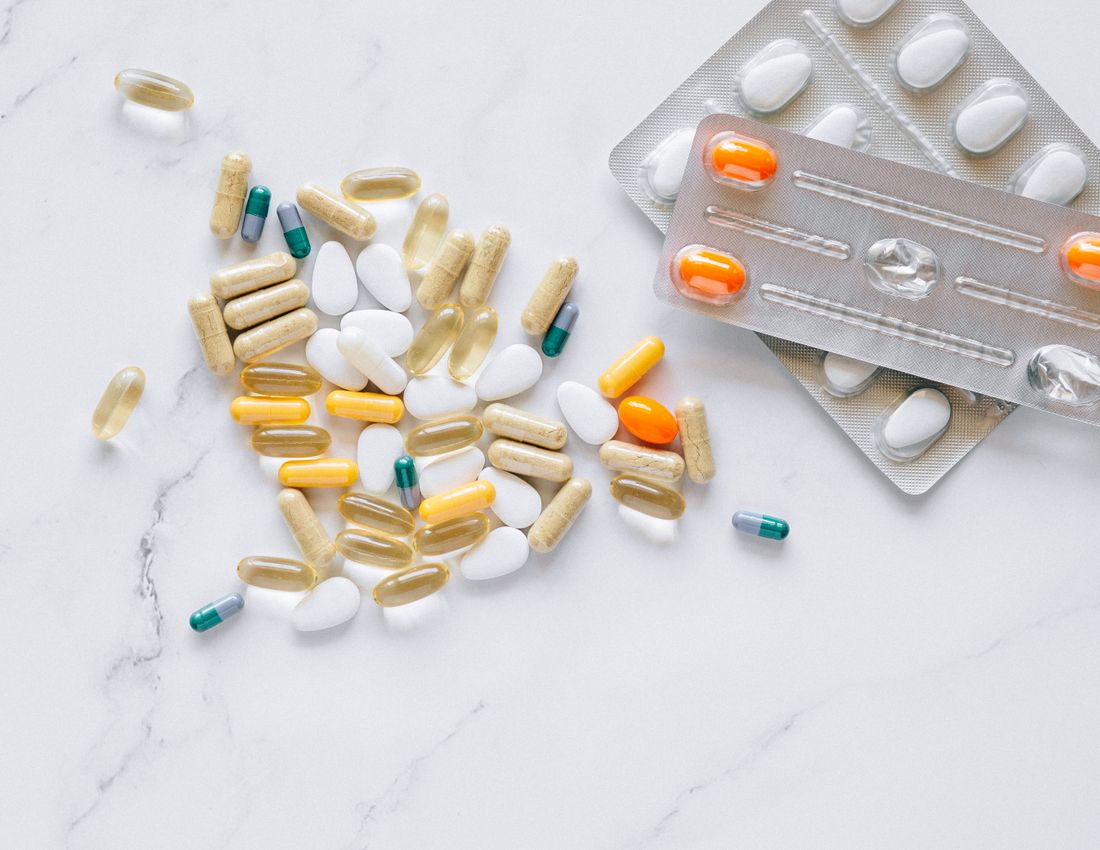
Some ingredients are backed by human studies; many "proprietary blends" simply borrow the reputation of those ingredients while hiding how much they actually contain. Ingredients with a real evidence base include:
- Ashwagandha root extract - studied for stress and cortisol, and for strength and testosterone alongside training (Wankhede et al., 2015; Lopresti et al., 2019).
- Vitamin D - linked with testosterone; supplementation raised levels in men who were deficient (Pilz et al., 2011).
- Zinc - contributes to normal testosterone, and correcting a deficiency can support healthy levels (Prasad et al., 1996).
- Magnesium, glycine and L-theanine - studied for sleep quality and recovery (Bannai et al., 2012; Hidese et al., 2019), which indirectly supports testosterone.
Why the dose decides everything
Here is the catch that separates serious products from marketing: these ingredients only work at real doses. Ashwagandha studies commonly use around 600 mg a day of a standardised extract; a token sprinkle will not match that. A "proprietary blend" lets a brand list an impressive ingredient while hiding how little of it you actually get.
That is why dose transparency is the single most useful thing to look for. If a label shows you every ingredient and its exact amount, you can judge it. If it hides the amounts, you cannot - and you should assume the worst.
The half everyone forgets: sleep
Most of a man's testosterone is produced during deep sleep. A product that only works in the morning ignores the single most important window - and that is the biggest reason many men feel nothing from a standard daytime "test booster". Short, broken sleep has been shown to measurably lower testosterone (Leproult & Van Cauter, 2011), so supporting the night is not optional - it is half the equation.
What to look for (and what to avoid)
Look for:
- Every ingredient and dose printed on the label - no proprietary blends.
- Clinically-studied actives at meaningful amounts.
- Support for both day and night, not just a morning pill.
- Honest, structure/function language rather than cure-all claims.
Avoid:
- Proprietary blends that hide doses.
- Miracle claims ("boost testosterone by X%").
- Permanent "almost sold out" countdown timers and fake scarcity.
- Products that do nothing for your sleep.
What results to realistically expect
With a well-formulated product and consistent daily use, many men notice improvements in sleep and daytime energy within the first couple of weeks, with drive, focus and recovery building over several weeks as ingredients like ashwagandha reach their studied effect. Individual results vary, and a supplement works best alongside good sleep, training and nutrition - not instead of them.
Where MP-MA fits
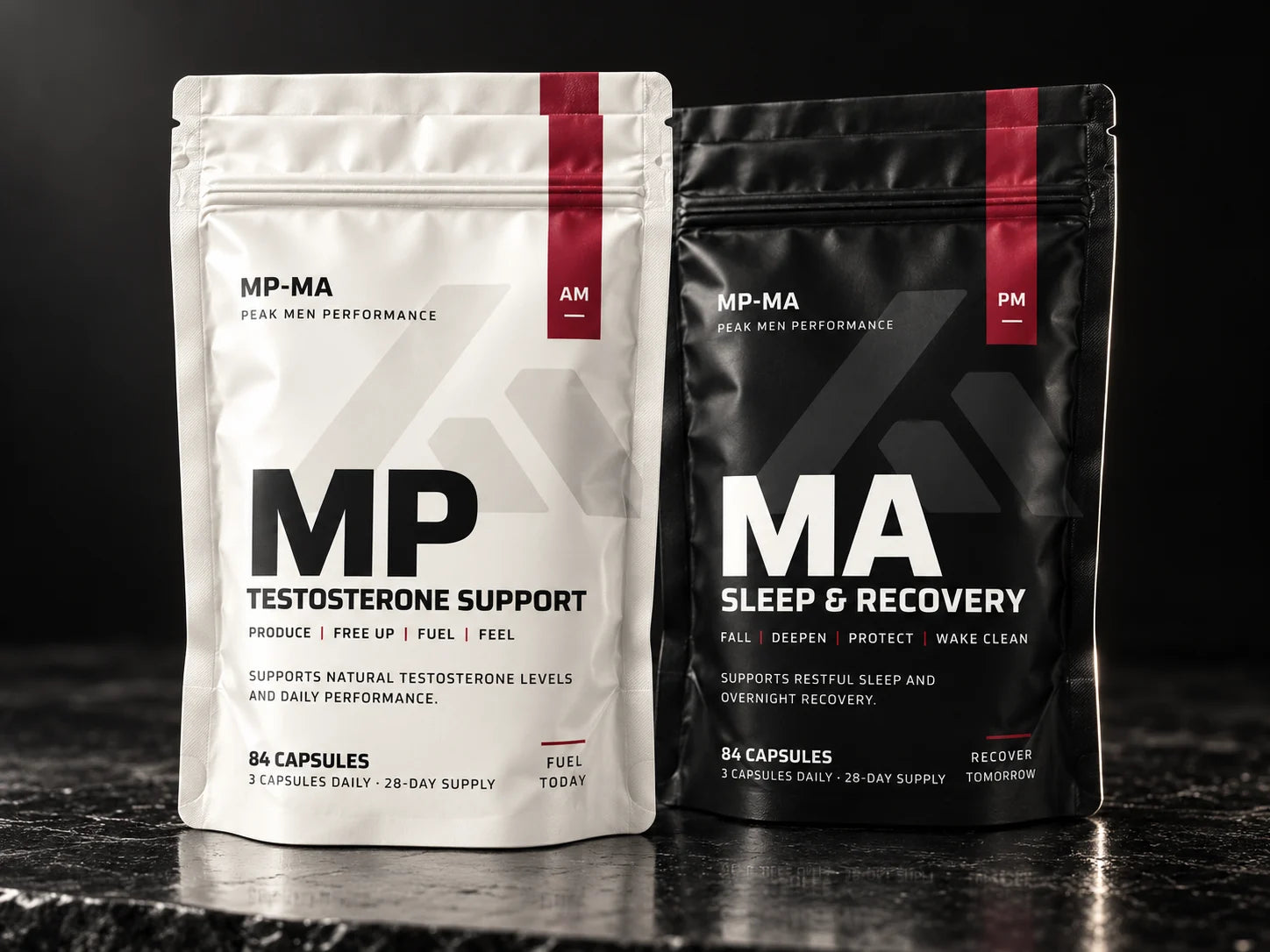
MP-MA was built around exactly these rules: 24 clinically-studied actives, every dose printed on the label, and two formulas - MP for the day and a melatonin-free MA for the night. No proprietary blends, no hidden amounts. See the full list and the research on our science page, or explore the MP-MA Day & Night System.
Frequently asked questions
Do testosterone supplements really work?
A well-dosed, transparent supplement can support healthy testosterone, energy, stress resilience and recovery - but it is support, not replacement, and results vary by person.
How long until I notice anything?
Many men notice changes in energy and sleep within a couple of weeks; drive, focus and recovery build over several weeks.
Are "test boosters" safe?
Reputable, clearly-labelled products using studied ingredients at normal doses are generally well tolerated. Avoid hidden blends, and check with your doctor if you take medication.
Is a supplement as effective as TRT?
No. TRT replaces hormones directly under medical care; a supplement supports your own production. They are different tools for different situations.
Sources
- Wankhede S, et al. Examining the effect of Withania somnifera (ashwagandha) on muscle strength and recovery. J Int Soc Sports Nutr. 2015. PubMed
- Lopresti AL, et al. An investigation into the stress-relieving and pharmacological actions of an ashwagandha extract. 2019. PubMed Central
- Pilz S, et al. Effect of vitamin D supplementation on testosterone levels in men. 2011. PubMed
- Prasad AS, et al. Zinc status and serum testosterone levels of healthy adults. Nutrition. 1996. PubMed
- Leproult R, Van Cauter E. Effect of 1 week of sleep restriction on testosterone levels in young healthy men. JAMA. 2011. PubMed
- U.S. Federal Trade Commission. Health Products Compliance Guidance. ftc.gov
- MP-MA. The science & full reference list. mp-ma.com/pages/science
These statements have not been evaluated by the Food and Drug Administration. This product is not intended to diagnose, treat, cure, or prevent any disease. This article is for general education and is not medical advice.
Continue your research
Before comparing products, learn how to check serving sizes, ingredient amounts and evidence on a supplement label. How to Read a Supplement Label Before You Buy
Browse related topics in our men’s wellness evidence guide.